Debunking Myths About Cashless Transactions: What You Should Really Know
Understanding Cashless Transactions
The rise of cashless transactions has transformed how we handle money, yet myths still persist. It's time to debunk some common misconceptions and uncover the truth about going cashless. From security concerns to accessibility issues, let's explore what these transactions really entail.
Myth 1: Cashless Transactions Are Not Secure
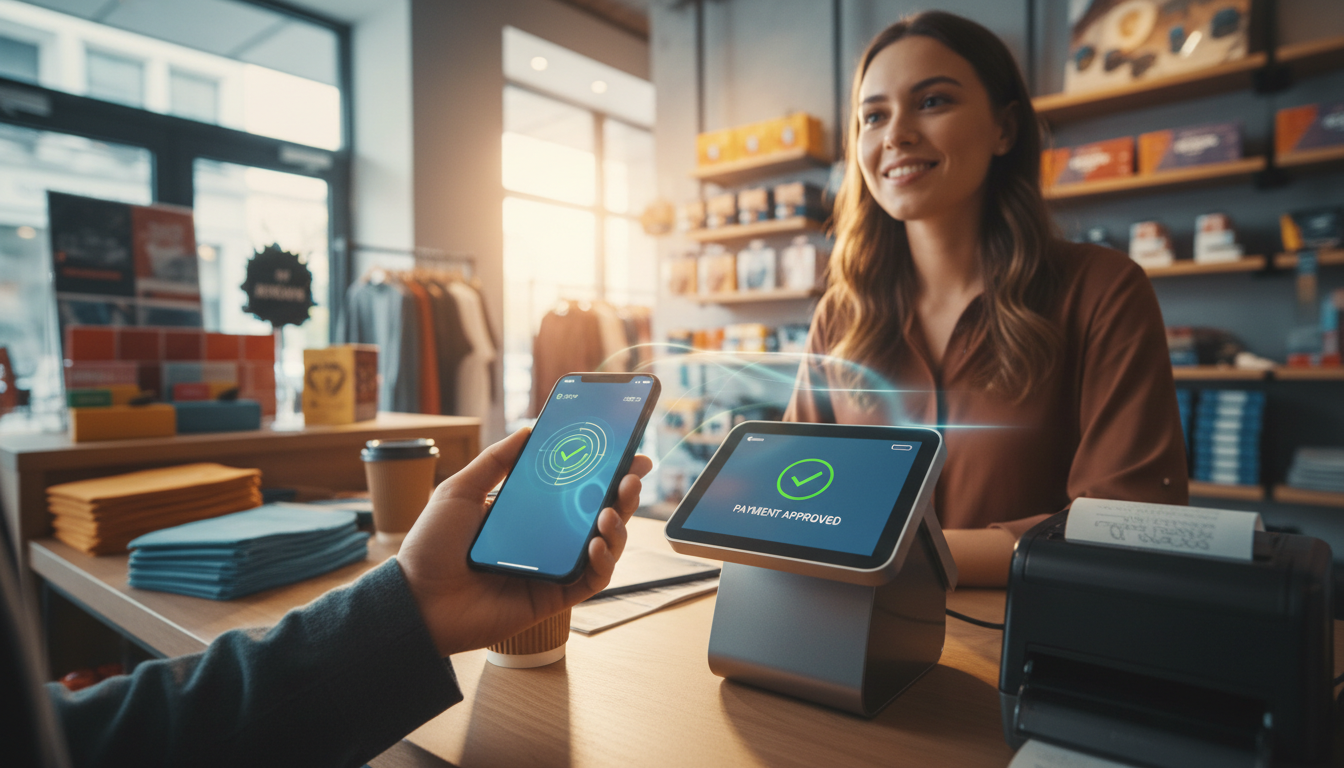
One prevalent myth is that cashless transactions are inherently insecure. In reality, modern encryption technologies and secure networks protect your data. Financial institutions and payment platforms invest heavily in security measures, making these transactions safer than ever before.
Additionally, cashless transactions provide a digital trail, helping to detect and prevent fraud more effectively than cash. This transparency adds an extra layer of protection for consumers and businesses alike.
Myth 2: They Are Only for Tech-Savvy Users
Another misconception is that cashless systems are complicated and only suitable for tech-savvy individuals. However, with the proliferation of user-friendly apps and devices, almost anyone can easily adopt cashless methods. From contactless cards to mobile wallets, these solutions are designed with simplicity in mind.

Moreover, many platforms offer customer support and educational resources to assist users in navigating their services, making the transition smooth for everyone.
Myth 3: Cashless Means No Privacy
Concerns about privacy often arise with digital transactions. While it's true that cashless transactions leave a digital footprint, strict regulations are in place to protect consumer data. Banks and payment providers are bound by privacy laws, ensuring your information is handled responsibly.
Consumers also have control over their data, with options to limit sharing and track their transaction history. This empowers users to manage their privacy according to their preferences.
Myth 4: Not Everyone Can Go Cashless
There's a belief that cashless systems exclude certain populations, particularly those without access to technology or banking services. While accessibility challenges exist, efforts are underway to bridge this gap. Initiatives to provide affordable devices and expand digital literacy are helping more people embrace cashless options.
Furthermore, many cashless solutions are designed to be inclusive, offering alternatives for people in various circumstances. These efforts are gradually creating a more equitable financial landscape.
The Future of Cashless Transactions
As we move forward, cashless transactions will continue to evolve, driven by innovation and consumer demand. By debunking myths and understanding the realities of cashless systems, we can confidently embrace this shift. With ongoing improvements and increased accessibility, the future looks promising for a truly cashless society.